


.svg)

.svg)
.svg)
.svg)




.svg)
.svg)
.svg)




.png)
.svg)


Why is everyone leaving Twitter for Bluesky?
What if you chose to blow everything up on TikTok? Choose your TikTok agency now!
Since its takeover by Elon Musk, Twitter, renamed X, has been going through a period of controversial transformation. Radical changes to the platform, such as the removal of some free features, unclear moderation policies, and a confused vision of its future, have led many users to look for alternatives. Among these, Bluesky is emerging as one of the most promising platforms.
Founded by Jack Dorsey, former CEO of Twitter, Bluesky is presented as a decentralized alternative that is more respectful of users. But why is it getting so much attention? This article explores the reasons for the exodus to Bluesky, the characteristics that differentiate it from Twitter (X), and its implications for the social media landscape.
Why are users leaving Twitter (X)?
Since the transformation of Twitter into an “X” under the leadership of Elon Musk, many users are voicing their discontent and leaving the platform. These massive departures are not the result of chance, but the result of several controversial decisions that have profoundly transformed the user experience and public perception of the former microblogging platform.
A loss of identity and clarity
The rebranding of Twitter as an “X” created massive confusion among users. The change of name, logo, and direction left many Twitter followers disoriented. For many, Twitter represented a unique space for public discussion, with a clear identity focused on quick and relevant interactions. The transition to “X” has blurred this image, transforming the platform into a hybrid space where identity and direction are no longer clear.
Specific factors:
• The removal of the famous blue bird, an iconic Twitter symbol.
• The ambiguity of the new positioning “X”, which claims to be a “super-app”, but without concrete details about its distinctive functionalities.
These changes have unsettled users, pushing them to look for platforms that offer a more familiar and consistent experience.
Controversial changes in functionality
Elon Musk introduced a series of changes that alienated a portion of Twitter's user base. Among them, we find:
• The end of free access for some essential features: For example, account verification (blue badge) has become chargeable via subscription Twitter Blue, which was seen as excessive monetization.
• Limiting access to tweets: In July 2023, restrictions on the number of tweets visible per day were imposed, creating widespread frustration among users.
• Reduction in moderation: The new, less stringent moderation policies have led to an increase in hate speech, spam, and inappropriate content on the platform.
These decisions affected the user experience, creating a feeling of abandonment for many users who enjoyed Twitter's initial features.
A contested commercial and community dynamic
Under Musk, Twitter also suffered from a loss of credibility with advertisers and key communities. Policy changes and the perception of an unstable direction have resulted in:
• An escape from advertisers: Major brands have suspended their advertising campaigns, reducing Twitter's revenue and affecting the quality of sponsored content.
• A feeling of insecurity: Some groups, especially minorities and activists, feel less protected because of an environment that is perceived as less moderate.
These issues have exacerbated the appeal of alternatives like Bluesky, which promise a more respectful experience and a clear vision.
Bluesky: what exactly is it?
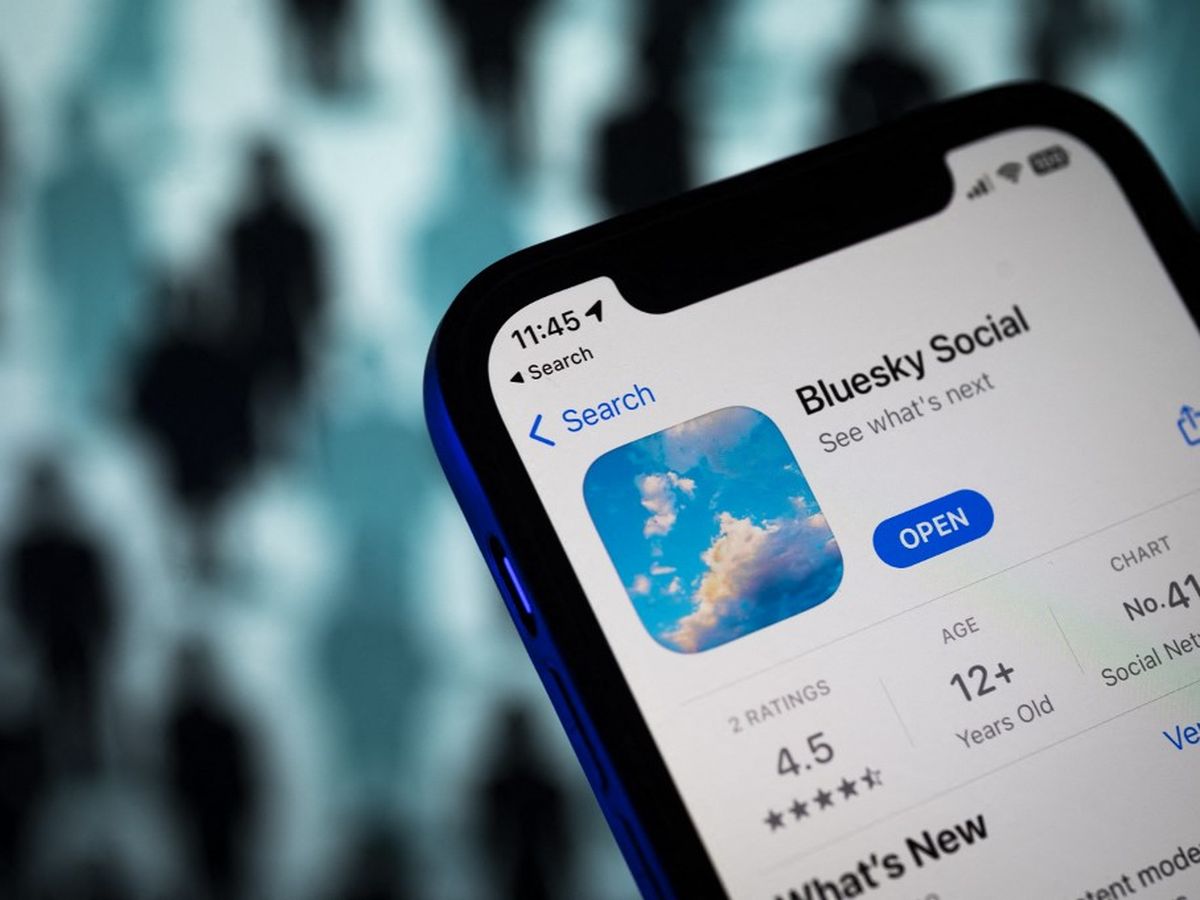
Bluesky is a new social platform that is gaining in popularity, especially among users who are disappointed with Twitter (X). Launched in beta in 2023, Bluesky stands out for its innovative and decentralized approach, aimed at offering a more open, ethical and user-centered alternative.
A platform designed by Jack Dorsey
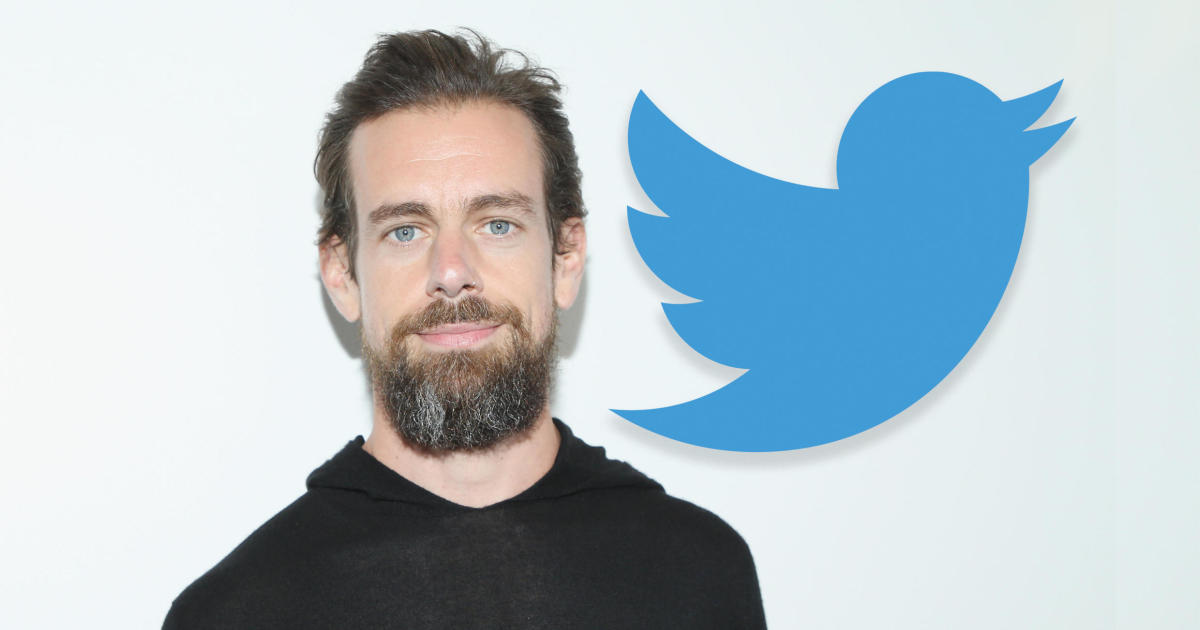
Bluesky was founded by Jack Dorsey, the co-creator and former CEO of Twitter. Its aim was to address the limitations and challenges that traditional platforms, including Twitter, face. Unlike Twitter, Bluesky focuses on a decentralized model, allowing for greater autonomy for users and content creators.
Bluesky's ambitions:
• Create a platform where users can control their data and experiences
• Encourage authentic interactions by reducing the impact of biased algorithms and intrusive ads.
• Build an alternative that promotes diversity of opinions without compromising on safety and moderation.
A decentralized network with the AT protocol
Bluesky is based on an innovative technology called the AT protocol (Authenticated Transfer Protocol), which allows for decentralized operation. Unlike traditional networks like Twitter or Facebook, which centralize all data on their servers, Bluesky gives users greater control over their information and experiences.
Benefits of decentralization:
• Data ownership: Users can manage their information and decide how to use it, a stark contrast to centralized platforms that monetize personal data.
• Interoperability: Bluesky users can interact with other platforms that are compatible with the AT protocol, breaking the silos of traditional social networks.
• Less dependence on a single company: Decentralization reduces the risks associated with authoritarian or unstable management by a single entity, as was observed with Twitter under Elon Musk.
A simplified and ethical user experience
Bluesky aims to recreate the essence of social networks: simple, transparent and community-centered interactions. Its interface is reminiscent of Twitter in its early days, offering an intuitive experience, but without the distractions of massive ads or imposed algorithms.
Notable features:
• No intrusive ads: Unlike Twitter, Bluesky doesn't rely on ad revenue to function.
• Focus on the quality of interactions: The algorithm favors authentic connections and quality conversations over sensationalist content.
• More balanced moderation: Bluesky combines decentralized moderation tools with community guidelines to keep users safe.
These characteristics make Bluesky an attractive alternative for those looking to escape the commercial practices and excesses observed on traditional platforms.
Why is Bluesky appealing to Twitter (X) users?
Bluesky is attracting more and more Twitter (X) users thanks to its philosophy, innovative features, and redesigned user experience. Here are the main reasons for this craze.
A platform without commercial overload
Bluesky is positioned as a streamlined alternative, avoiding the intrusive ads and biased algorithms that characterize Twitter under Elon Musk. This simplicity appeals to users who are tired of the growing marketing of social networks.
Better data and privacy protection
Thanks to its decentralized protocol, Bluesky offers increased control over personal data. Users feel more secure knowing that their information is not being monetized or exploited without their consent.
A return to the basics of social networks
Bluesky favors authentic interactions, balanced moderation, and quality content. This is reminiscent of the beginnings of Twitter, when the platform was seen as a space for open and collaborative discussion, without excessive commercial pressure.







.svg)