
.svg)

.svg)
.svg)
.svg)



.svg)
.svg)
.svg)




.png)
.svg)


Paid TikTok: When authentic content becomes a professional strategy on TikTok with UGC
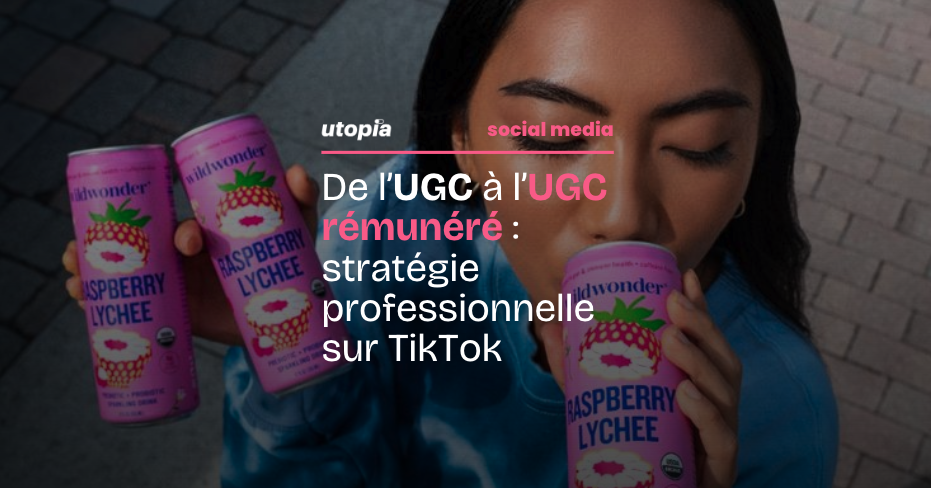
Working with a TikTok agency to transform authentic content into a professional strategy thanks to UGC can be a real challenge for brands!
TikTok, one of the most dynamic and influential platforms of our time, has revolutionized the way brands interact with consumers. With over 1 billion monthly active users, TikTok has established itself as a leader in creating short, engaging video content. Among the trends that are shaping this revolution, UGC (User Generated Content) occupies a central place.
By moving from spontaneous content to paid collaborations, UGC on TikTok has become a powerful strategy for brands looking to genuinely engage their audience. In this article, we'll explore how “authentic” content evolves to become a professional marketing tool, while maintaining its authentic essence.
The rise of user-generated content (UGC) on TikTok
A. An ecosystem built on spontaneity
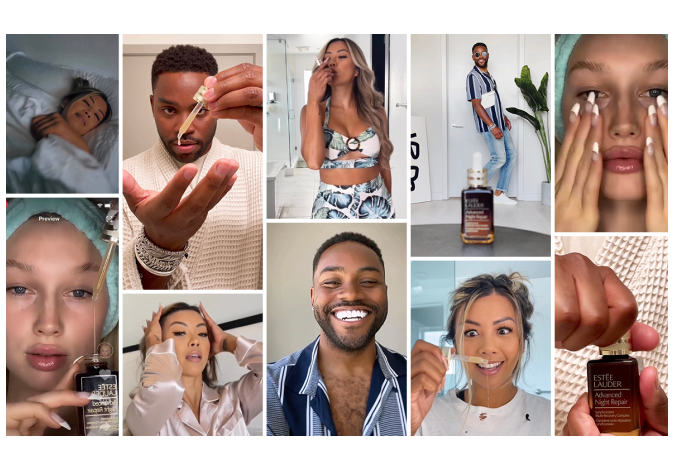
Since its launch, TikTok has quickly fostered a culture of unbridled and spontaneous creativity. Users, armed with their smartphones, started sharing short videos, ranging from viral dances to humorous challenges. Unlike other platforms, TikTok encourages raw, unscripted content, creating real proximity between creators and their audience. This spontaneity has given rise to authentic moments and trends that resonate deeply with users. This is how UGC became one of the cornerstones of the platform, offering a space where every user can become a creator.
B. The role of the algorithm in the virality of UGC
TikTok has a powerful algorithm, one of the most revolutionary aspects of which is its ability to propel content created by an average user to millions of people in record time. Unlike platforms like Instagram where popularity depends on the number of followers, TikTok offers a chance for every video to go viral. This phenomenon has amplified the visibility of UGC by allowing amateur creators to reach a massive audience without financial effort or prior promotion. By optimizing content for For You Page (FYP), spontaneous UGC benefits from unparalleled leverage in terms of reach and commitment.
The evolution towards paid UGC: when brands get involved
A. From spontaneity to professionalization
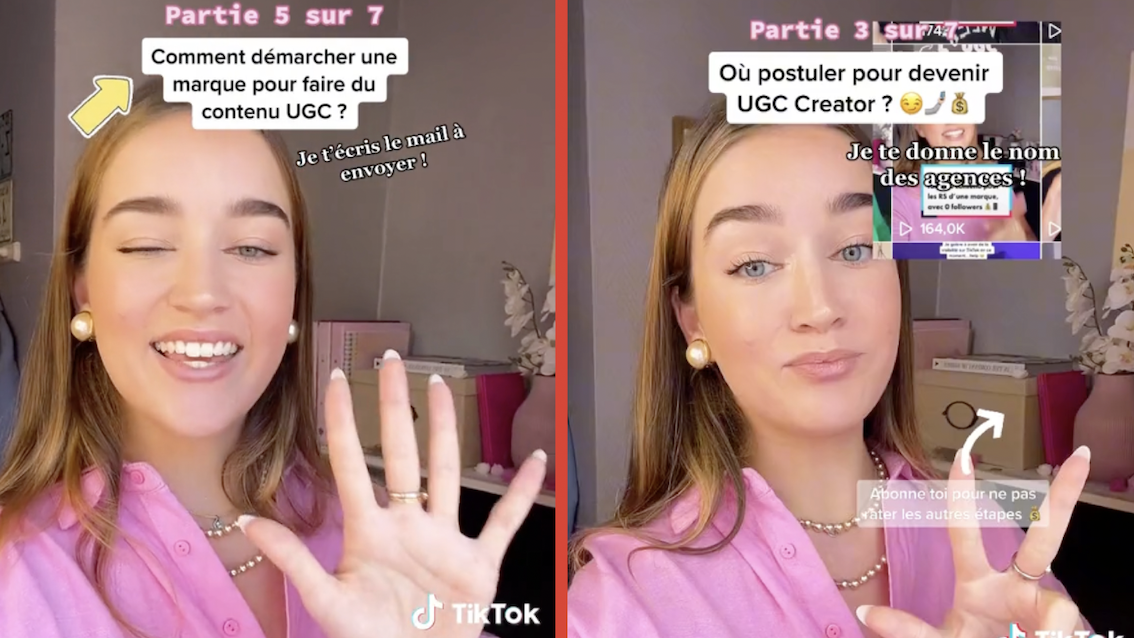
With the explosion of UGC, brands quickly realized the potential of TikTok as a marketing tool. As users spontaneously created content around the products or services they love, brands saw an opportunity to incorporate this dynamic into their communication strategy. Instead of producing expensive and formatted advertising campaigns, many businesses have opted for collaborations with influential users to generate authentic content. This type of paid content, although framed by commercial agreements, maintains the appearance of spontaneous UGC, allowing brands to maintain a relationship of trust with their audience.
B. The different forms of paid UGC on TikTok
The transition from spontaneous UGC to paid UGC has given rise to several formats of collaboration between designers and brands. Among the most common are:
1. Direct partnerships with influencers : Brands pay popular creators to promote their products in a style that reflects the spontaneity of TikTok content.
2. Sponsored challenges : Brands launch viral challenges, encouraging users to create content while subtly integrating products.
3. Discreet product placement : In some cases, the product is subtly integrated into the video without being the main subject, thus offering more organic advertising.
These different approaches allow brands to reach a target audience in an authentic way, while benefiting from the virality inherent in the platform.
The impact of paid UGC on the perception of authenticity
A. The blurred line between authenticity and advertising
One of the main challenges brands face when moving from spontaneous content to paid UGC is maintaining a sense of authenticity. TikTok users, especially Gen Z and Alpha users, are very sensitive to intrusive forms of marketing. They value candid content and are able to quickly detect when videos are overly scripted or clearly aimed at promoting a product.
The problem arises when the paid UGC is not perceived as authentic. This can generate distrust among viewers, who feel manipulated rather than engaged. That's why it's essential for brands and creators to find the right balance, collaborating subtly and avoiding turning each video into an overly obvious ad.
B. The importance of transparency in collaborations
To address this problem, transparency in partnerships has become a key element. More and more creators and brands are adopting clear communication about paid collaborations, with the use of mentions like “sponsored by” or “paid partnership with”. This transparency is not only required by regulations (such as FTC guidelines in the United States or ARPP recommendations in France), but it is also increasingly appreciated by users.
Indeed, users do not seem opposed to the idea of their favorite creators being paid, as long as it is done in an open and honest way. Creators who manage to maintain this transparency while creating engaging content strengthen their relationship with their audience and avoid criticism due to a lack of sincerity.
C. Examples of successful paid UGC on TikTok
Several brands have been able to take advantage of paid UGC while maintaining an authentic image. For example, cosmetics brand e.l.f.'s #EyesLipsFace campaign used a viral song and creators to encourage users to show off their makeup routines. This challenge generated millions of videos, and even though the campaign was sponsored, the resulting UGC seemed organic and authentic for users of the platform.
In the same way, collaborations with creators like Addison Rae or Charli D'Amelio, who subtly incorporate products into their videos without making them the center of attention, have managed to avoid the pitfall of purely promotional content. These examples show that with a well-thought-out strategy, paid UGC can maintain authenticity while meeting brands' marketing goals.
The benefits and limitations of paid UGC for brands
A. Stronger engagement with the target audience
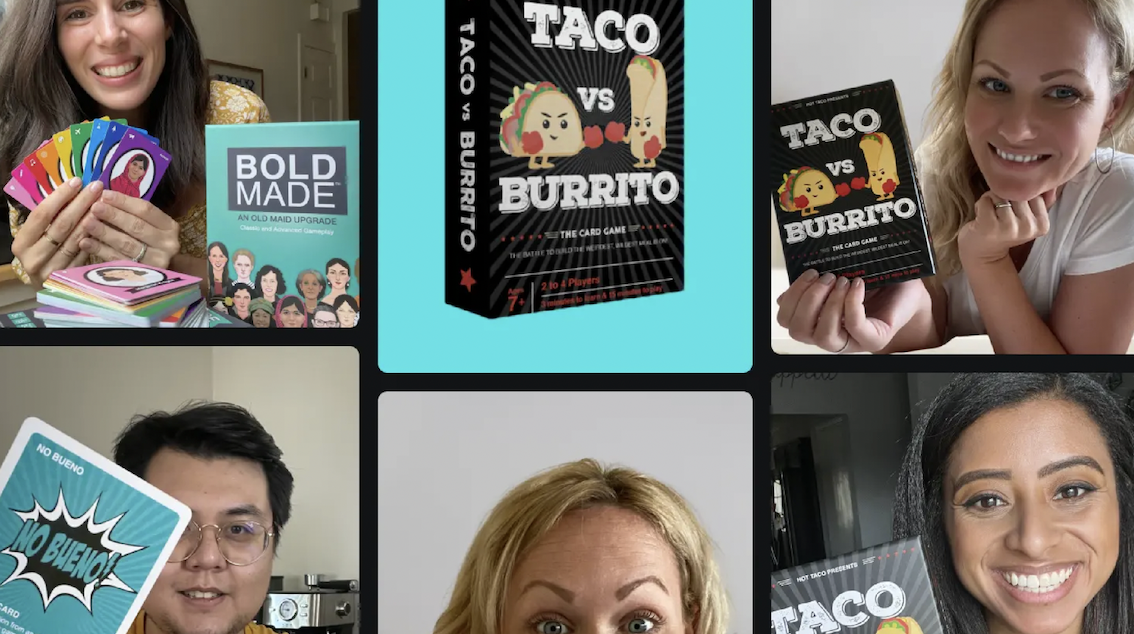
One of the main benefits of paid UGC is its direct impact on engagement. Unlike traditional ads, paid UGC allows brands to insert themselves into users' organic content feeds. This allows for a more natural interaction with the target audience as users are more likely to engage with videos that look authentic, even if they are sponsored.
UGC also helps boost engagement through comments, shares, and duets, which are key features of TikTok. Users can not only consume the content but also actively participate in it, amplifying its reach and virality.
B. Creating content at a lower cost
Another major benefit for brands is the reduced cost of producing content. Compared to a traditional advertising campaign, which can involve heavy investments in video production, paid UGC on TikTok often relies on creators who produce their content themselves. This makes it possible to generate quality content while minimizing costs, and sometimes even obtaining much more impactful results in terms of visibility.
C. The limits and challenges of paid UGC
However, despite its advantages, paid UGC also has limitations. First of all, there is an element of unpredictability in the virality of the content. Brands may sponsor creators, but that doesn't guarantee that the content will go viral or achieve its intended goals. In addition, it is difficult to fully control brand image when delegating content creation to external users. A poorly perceived message or a poorly managed collaboration can quickly degenerate into bad buzz, which can damage a brand's reputation.
Second, creators' loyalty to a brand can be limited. TikTok influencers often collaborate with multiple brands, which can dilute their commitment to a single business and affect the consistency of messages.
The future of paid UGC on TikTok: towards increased professionalization?
A. A trend towards greater professionalization
As TikTok continues to grow, the line between authentic and paid content is likely to become even more blurred. More and more creators on TikTok are moving from amateurs to professionals, with dedicated teams, publishing schedules, and complex marketing strategies. This phenomenon reflects a larger trend in the digital content industry, where formerly unknown creators are becoming full-time influencers, generating substantial revenue from paid collaborations.
This professionalization is not only for creators, but also for brands and agencies that are investing more and more resources in creating native content and in managing relationships with creators. The development of platforms specialized in connecting brands and creators, such as the TikTok Creator Marketplace, testifies to this evolution. These tools make it easy to monitor the performance of UGC campaigns and allow brands to find creators who best fit their image and goals.
B. Creators' ethics and responsibility
Another aspect to consider in the future of paid UGC is the issue of creators' ethics and responsibility. As paid UGC becomes more professional, creators are increasingly aware of the influence they have on their audiences. They must now carefully navigate between the expectations of their audience, which values transparency and authenticity, and the requirements of brands, which seek to maximize their return on investment.
This accountability of creators also includes increased compliance with advertising regulations. In the future, collaborations between brands and creators will likely need to meet more stringent criteria to avoid accusations of deceptive or unethical content, while respecting local laws regarding disguised advertising.
C. The paid UGC at the heart of brands' marketing strategy
For brands, paid UGC will no longer be a simple bonus in a digital marketing strategy, but a central pillar. As consumers continue to flee traditional ads, businesses will need to find new ways to engage their audience, and paid UGC will be an unavoidable path to do so. TikTok will likely continue to play a pioneering role in this transformation, with new formats, tools, and algorithms to optimize the creation of paid content while maintaining the authenticity that is the strength of the platform.
Conclusion
The transition from spontaneous UGC to paid UGC marks a major evolution in the TikTok ecosystem, and more broadly in the digital marketing landscape. What was once a form of amateur content is now a sophisticated strategy used by brands to achieve their business goals. However, this professionalization should not come at the expense of authenticity, which remains the key to user engagement.
TikTok, with its virality promoting algorithm and its unique creative ecosystem, will continue to be a fertile ground for UGC, whether spontaneous or paid. Brands that manage to balance transparency, creativity, and authenticity will have a significant competitive advantage. The future of paid UGC lies in this ability to maintain a genuine relationship with the audience while exploiting the possibilities offered by the increasing professionalization of content on TikTok.


.svg)