

.svg)

.svg)
.svg)
.svg)




.svg)
.svg)
.svg)




.png)
.svg)


The 6 differences between Instagram Reels and TikTok
In the constantly evolving world of social networks, two giants stand out in the race for short video content: Instagram Reels and TikTok.
TikTok and Instagram Reels are redefining the consumption of video content. Their meteoric rise has transformed the dynamics of social media, offering users unique experiences. This in-depth guide explores the key differences between these two platforms, based on their origins, functionalities, and impacts.
What is a TikTok?
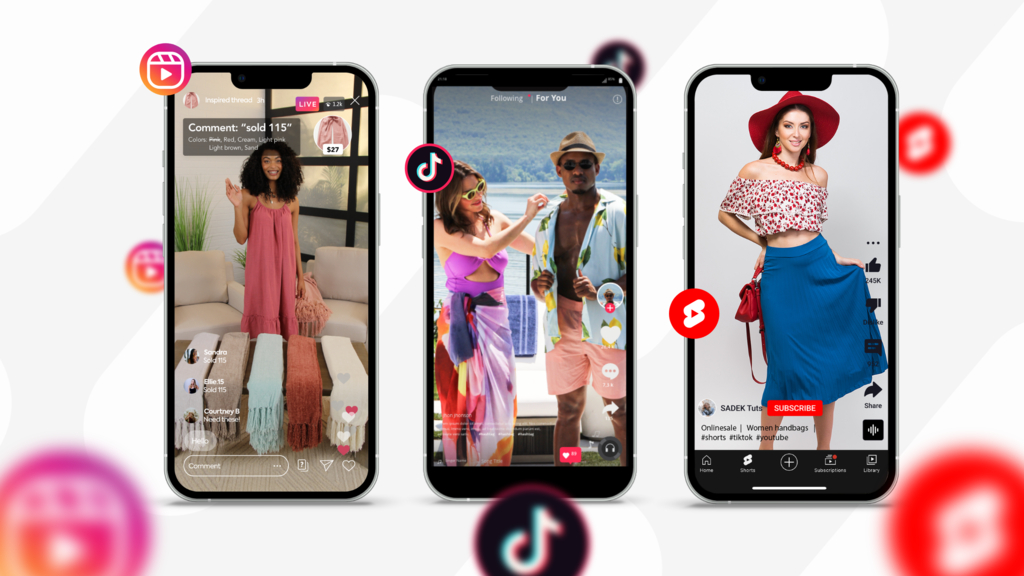
TikTok is an application for sharing short videos, up to 3 minutes in length, offering a wide range of audios, music, filters, and effects to create dynamic and instant content. It allows for a wide variety of content, ranging from playbacks and tutorials to challenges and reviews, embodying the concept of “snack content” - fast and satisfying content.
What is a Reel?
Reel is a feature built into Instagram, allowing you to create videos up to 60 seconds long with music, custom sounds, filters, and effects. Easy to access, Reels can be shared on the Explore feed, the News Feed, the Reels tab, and in Instagram Stories. They're a simple way for Instagram users to engage new audiences and understand generations like the Generation Z.
1. The views and engagements
Analysis of views: Since the introduction of Reels on Instagram, an interesting competition in terms of views has emerged between the two platforms. Studies, like the one conducted by Whistle, show that 61% of TikTok users have also turned to Reels, indicating a significant overlap in audience.
In terms of views, Reels and TikTok are in a similar range, with an average of 1.2 million views for Reels compared to 1.92 million for TikTok. However, these numbers only reflect part of the story because they don't take into account global engagement, which is just as crucial in assessing the impact of these platforms.
Depth of commitment: When it comes to engagement, TikTok is much better than Instagram Reels. TikTok is better than Instagram Reels in terms of engagement. TikTok receives an average of 200,000 likes and 2,000 comments per video. On the other hand, the Reels have around 100,000 likes and 800 comments.
There may be a number of reasons for this difference. First, TikTok is a platform that focuses only on videos, which encourages more intense interaction. Second, the TikTok algorithm is designed to encourage more active participation by highlighting videos that elicit reactions (Learn more about the TikTok algorithm in 2024). In contrast, Instagram, with its wide range of content formats, offers a more diverse user experience, which could dilute the attention paid specifically to Reels.
2. The content of the videos
Evolution and variety of content: Videos on Instagram and TikTok have changed. They are now longer: up to 3 minutes for TikTok and 60 seconds for Instagram Reels. This extension allows creators to be more flexible in their stories and presentations. TikTok has added a scrolling feature, which allows users to skip parts of a video. This makes the viewing experience more rewarding and encourages more dynamic content consumption.
Differences in style and quality: When it comes to content style, TikTok and Instagram Reels have different approaches. TikTok is known for its authentic and spontaneous content, often marked by a personal touch and a certain simplicity. This has created an atmosphere of community and inclusion, where users can express their creativity in a more relaxed way. On the other hand, reels are more focused on professional quality content thanks to the influence of Instagram, which focuses on visual aesthetics. Reels focus on professional quality content, Instagram focuses on visual aesthetics. TikTok appeals to those looking for raw, unfiltered creative expression. Instagram Reels is more suitable for those who prefer a more sophisticated visual layout.
3. Music and audio library
TikTok's audio library is vast and influential, often the source of new music trends. Users can create their own sounds, which sometimes go viral. Reels, on the other hand, often feature popular TikTok audios and are limited by tighter copyright constraints, reflecting the nature of Instagram as a platform for original works.
4. Editing software in the app?
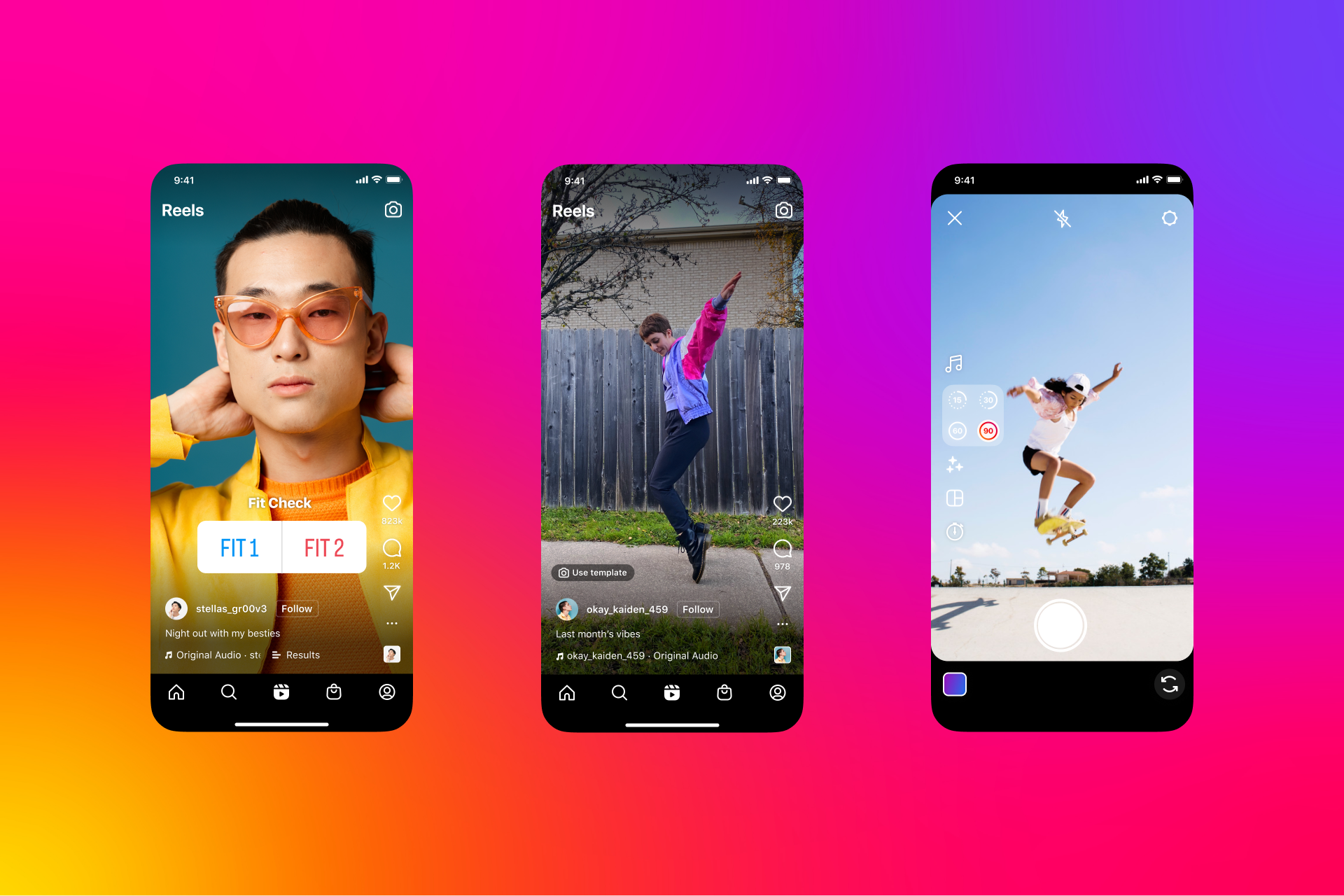
TikTok excels with its wide range of editing options, including specific effects and an augmented reality effects studio to encourage user creativity. Instagram focuses on more basic filters, limiting users to only one filter per video, while TikTok allows for greater flexibility.
5. algorithms
How the algorithms work: Understanding the algorithms behind TikTok and Instagram Reels is critical to deciphering their impact on content and user engagement. TikTok is famous for its sophisticated algorithm that propels videos onto the “For You” page, offering every creator a fair chance at manhood. This algorithm promotes a diversity of content and creates a relatively equal playing field for all users, regardless of their number of followers. Instagram Reels, on the other hand, seems less transparent about its algorithm. While it values the use of popular hashtags and trends, the precise details of how it works remain more enigmatic. This lack of clarity can sometimes make it harder for Reels creators to understand how to maximize their reach and engagement.
Performance analyses and measures: In terms of analytics, TikTok offers detailed tools that allow creators to understand exactly how their content is performing. These analyses include information about the number of views, engagement rate, video reach, and audience demographics. This data is crucial for creators and brands looking to refine their content strategy and reach their target audience more effectively. Instagram also offers analytics tools for Reels, but they are often perceived as being less comprehensive compared to TikTok's.
6. Publicity
TikTop offers a variety of advertising options, including Brand Takeovers, Top-View Ads, Hashtag Challenges, and Sponsored Effects, opening the door to innovative and interactive advertising campaigns. These features allow brands to engage directly with their audience in creative ways.
Instagram Reels, for its part, benefits from the power of the Facebook advertising platform. Ads on Reels appear full screen, integrating into the Reels tab, Explore page, and main feed. This integration offers increased visibility, but with a more traditional advertising approach, which may be better suited to brands looking for a more subtle and integrated presence.
Here are more details on what you can do in 2024 with your social media budgets.
So?
While Reels and TikTok share similarities as short video formats, they offer distinct experiences and opportunities. TikTok, with its creative flexibility, high engagement, and virality capabilities, continues to dominate as a platform for short video content. Instagram Reels, while popular, remains a complement to the Instagram ecosystem, offering users and brands a way to engage existing audiences on the platform.
The decision between TikTok and Reels will depend on the objective of the brand or creator: TikTok is ideal for reaching a large audience with creative and trendy content, while Reels is better suited to strengthening the presence on Instagram and targeting an audience that is already established on this platform.




.svg)